
Your cart
Heads up: Your country may charge import duties or taxes when your order arrives. It’s worth checking with your local customs office to avoid surprises.
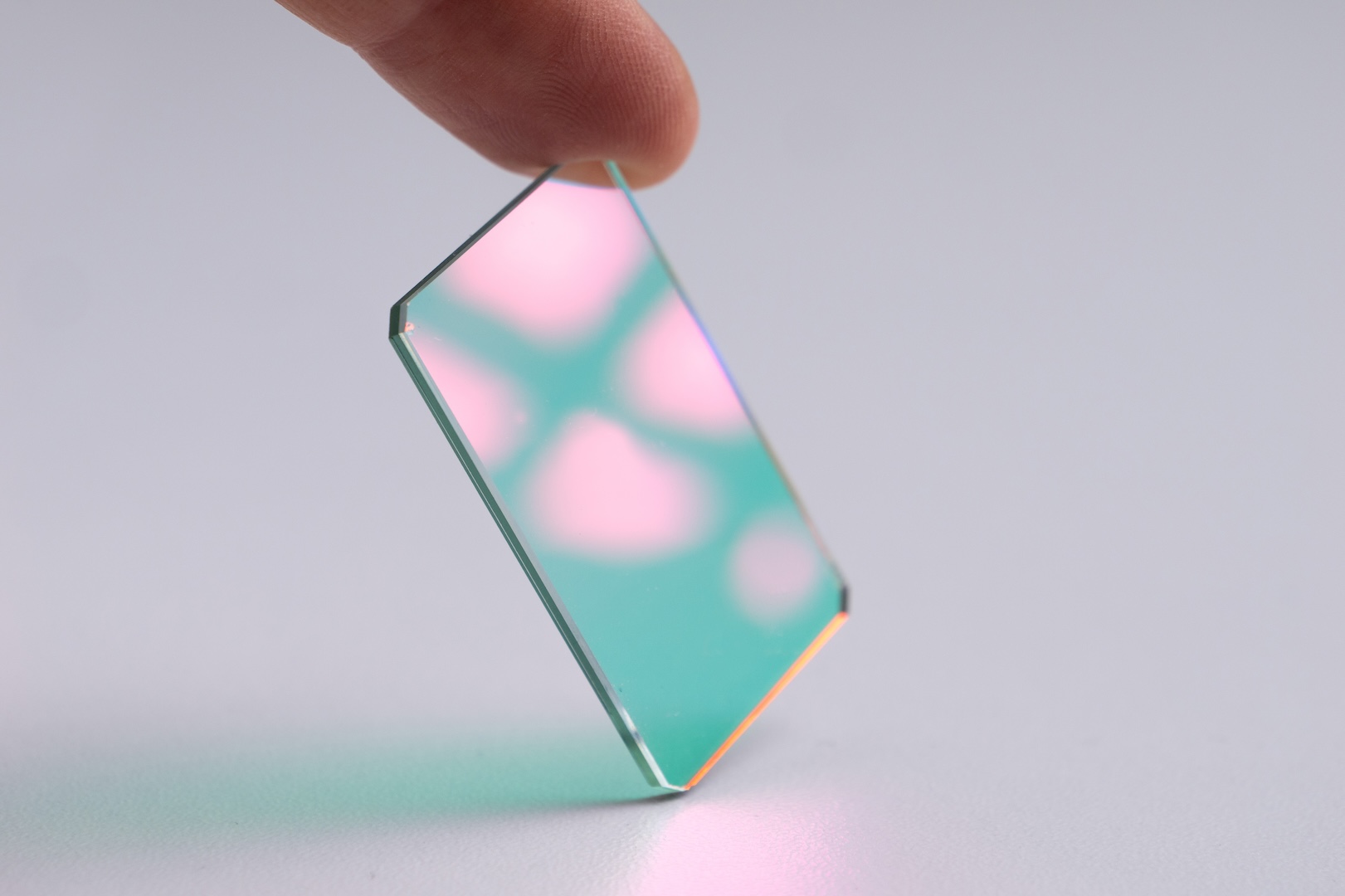
If you’ve ever wondered what actually makes a digital cinema image look “right”, there’s one component that rarely gets talked about, but plays a huge role in almost everything you see.
That’s the OLPF (Optical Low Pass Filter).
It’s not something most people ever think about but without it, even the best sensor and lens combination can fall apart. And it’s exactly the reason we’ve had to delay REDUXA R2.
What an OLPF Actually Does
At a basic level, an OLPF sits directly in front of the camera sensor, and its job is to control how light reaches it. But in practice, it’s doing several things at once all of which need to be perfectly balanced.
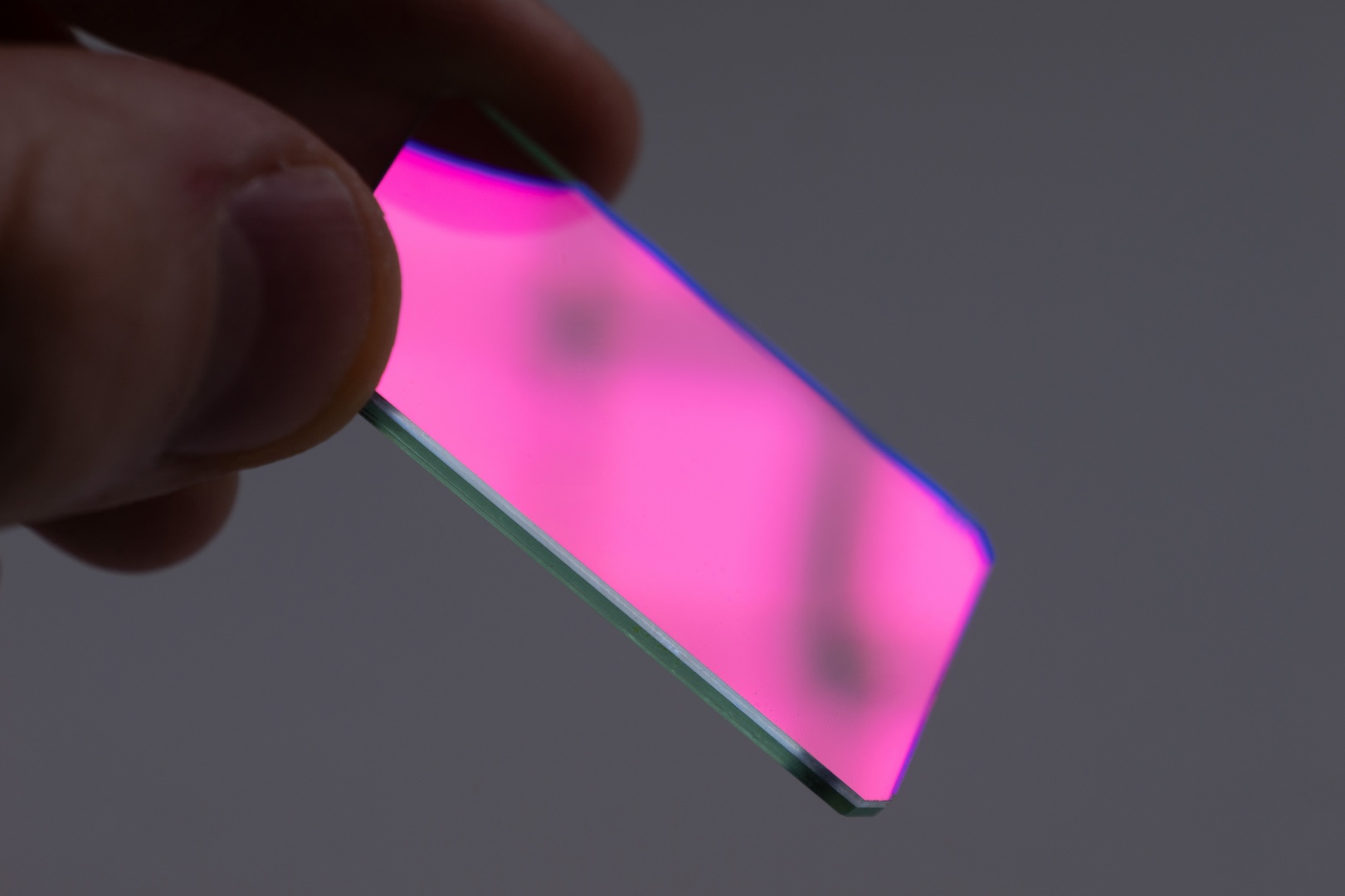
The first is colour and infrared control. Camera sensors don’t just detect visible light, they also pick up infrared wavelengths. If that isn’t properly filtered, you start to see strange colour shifts, contaminated blacks, and inconsistent skin tones. A well-designed OLPF includes a carefully tuned IR cut filter that transitions cleanly between visible and infrared light. Get this wrong, and the entire image pipeline suffers.
The second is moiré control. Digital sensors are made up of a grid of pixels, and the real world is full of repeating patterns like fabrics, architecture, fine textures. When those patterns interact with the sensor grid, you get moiré patterns appearing.
The OLPF prevents this by introducing a very slight optical blur, just enough to stop those patterns from forming, but not enough to noticeably soften the image.
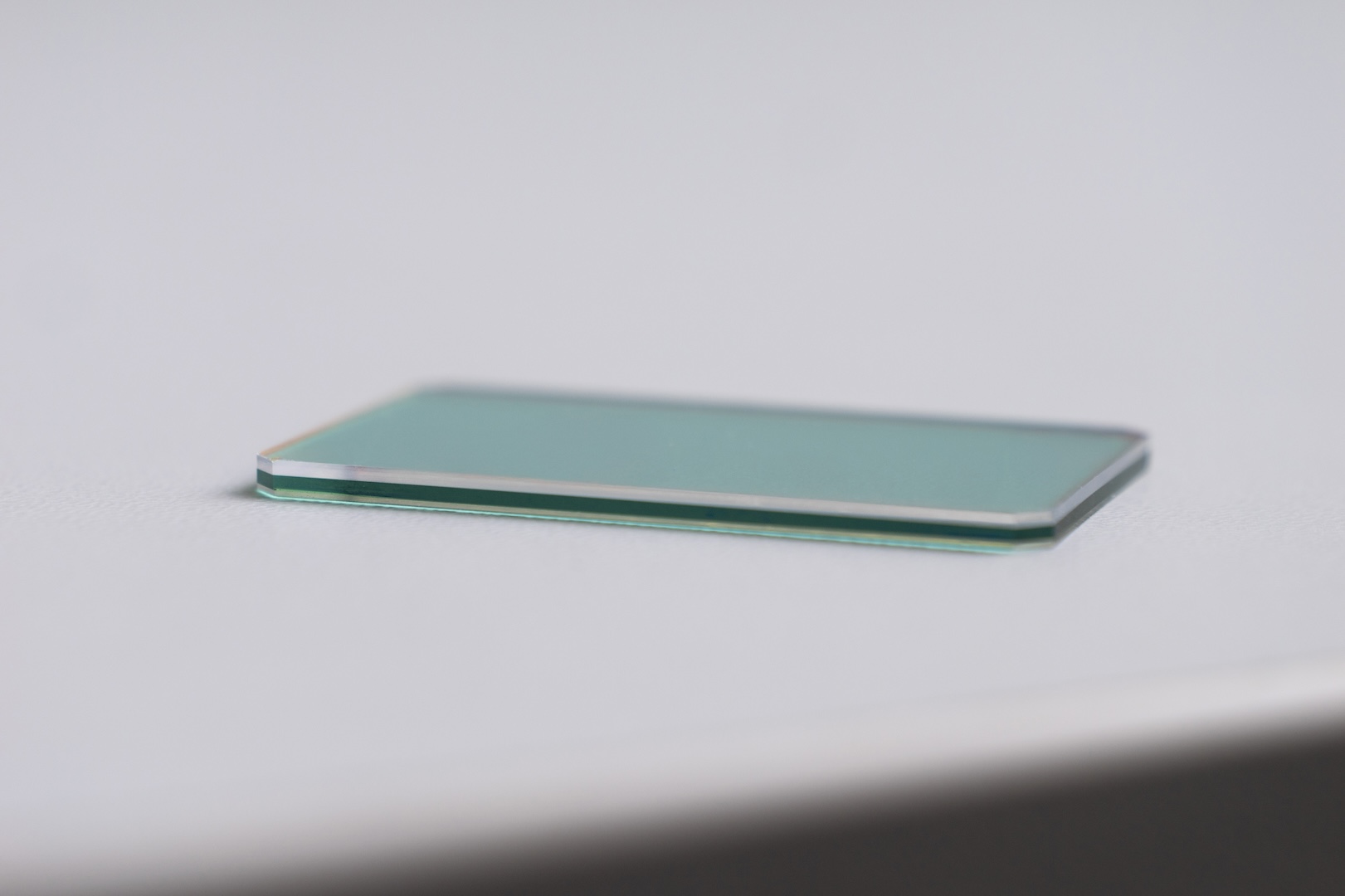
The third, and often overlooked factor, is physical thickness as the OLPF is physically part of the camera’s optical path. Every lens, sensor, and optical system is designed around a very specific distance and material stack in front of the sensor. Change that thickness, even slightly, and you can affect focus accuracy, edge performance, and overall image quality.
Why It’s More Complex in REDUXA R2
In a standard camera system, the OLPF is already tuned by the manufacturer. But for REDUXA R2, to create enough room for an optic in our focal reducer, we’ve had to remove RED’s OLPF, and re-create it, so that it’s built into the Reduxa R2.
We’re effectively altering how light is projected onto the sensor. That changes the behaviour of the image in ways that directly impact the OLPF’s role.
For example, focal reducers can increase the likelihood of moiré, meaning the OLPF has to be tuned more precisely than usual. Too strong, and the image becomes soft. Too weak, and artefacts start to appear.
On top of that, we couldn’t simply replicate RED’s original design. RED used quartz in their filter stack, but for REDUXA R2 we’ve moved to lithium niobate, a thinner, more modern material used in newer camera systems. That change alone meant reworking the entire optical design to maintain correct performance.
At the same time, we’ve been working to match RED’s original colour and IR response as closely as possible, so that the image still feels “correct” to what people expect from these cameras.
All of these factors: colour, moiré, thickness are interconnected. Changing one affects the others. And getting them all working together is where the real challenge lies.
Why It Takes So Long
Unlike most components in a camera system, OLPFs aren’t mass-produced in a simple way.
The materials themselves are grown as crystals, then cut, polished, coated, and assembled into a precise optical stack. Each iteration requires time, and each adjustment has to be validated across multiple variables.
In our case, we went through several iterations just to land on the correct combination of material, thickness, and optical behaviour. And even now that the design is finalised, we’re looking at potentially a 4-5 month lead time just to receive prototypes.
The reality is, without the correct OLPF, REDUXA R2 simply isn’t usable in the way it’s intended. You might get an image, but it wouldn’t meet the standard you are us would expect whether that’s colour accuracy, moiré performance, or overall image consistency.
And that’s why we’ve made the decision to delay.
What Happens Next
While we wait for the final OLPF prototypes, we’re shifting focus slightly and moving ahead with our Alexa Classic / XT / SXT version first, which doesn’t require any modification to the cameras filter stack.
For REDUXA R2, it’s simply a matter of time now. The design is locked in, and once the prototypes arrive, we’ll be able to validate everything properly and move forward with confidence.

